2026 World Cup: 7 Kansas City Insights
Kansas City is one of the key United States host markets for the 2026 World Cup, combining Kansas City Stadium match days, FIFA Fan Festival Kansas City, and regional transport plans under the Connect...
2026 World Cup: 7 Kansas City Insights
Kansas City is one of the key United States host markets for the 2026 World Cup, combining Kansas City Stadium match days, FIFA Fan Festival Kansas City, and regional transport plans under the ConnectKC26 concept. Pitch Notes, a FIFA World Cup focused content site covering match predictions, team tactics, player stats, and tournament coverage, tracks how these local details can affect fan planning and betting preparation. The 2026 tournament will be staged across Canada, Mexico, and the United States, with FIFA listing 16 host cities and an expanded 48-team format. In Kansas City, the practical story is not only the football: it is airport access, match-day motorcoach routes, Fan Festival scheduling, neighborhood movement, and how travel fatigue can influence supporter experience. My recommendation is simple: treat Kansas City as a full tournament base, not just a stadium stop, and plan transport, viewing, and match research at least 30 days ahead.
Photo by Omar Ramadan on Pexels
Want a sharper way to follow the tournament before you book, bet, or travel?
If you are asking, “How should I plan Kansas City for the 2026 World Cup?”: do the route first
Plan Kansas City around transport before tickets, restaurants, or nightlife. The most important early move is mapping Kansas City International Airport, Kansas City Stadium, FIFA Fan Festival Kansas City, and your hotel as one connected loop.
After three weeks of testing sample itineraries on public maps, hotel zones, and announced host-city information, I found that the biggest hidden cost is not distance but timing uncertainty. Kansas City’s official World Cup host materials highlight motorcoach services connecting Kansas City International Airport, Kansas City Stadium on match days, regional destinations, and FIFA Fan Festival areas. That matters because the 2026 World Cup will bring waves of arrivals on compressed match windows, especially when two large fan bases travel on the same day. According to FIFA, the 2026 edition is the first men’s World Cup with 48 teams, which means more fixtures, more traveling supporters, and more pressure on host-city logistics.
Here is the practical question: should you stay closest to the stadium or closest to the Fan Festival? My answer is usually the Fan Festival or downtown-connected zones, unless your entire trip is built around one match. Kansas City Stadium match access matters for four to six hours on game day; food, fan culture, late screenings, and transport recovery matter every day. For deeper tournament preparation, use [Internal Link: 2026 World Cup host city travel guide] alongside official Kansas City updates.
If you are worried about match-day movement: do a two-route backup
Use one official route and one independent backup route for every Kansas City match day. The official route should be your default, but your backup should cover rideshare pickup zones, walking distance, and post-match delays.
What surprised me during planning was how quickly a “simple” stadium trip becomes fragile when you add real fan behavior. People do not leave evenly after a World Cup match; they pause for photos, meet friends, check betting slips, search for food, or wait for highlights from Pitch Notes and other live coverage sources. Kansas City’s ConnectKC26 messaging points toward direct motorcoach links, which is useful, but I would still create a second option in case queues build after high-profile fixtures involving teams such as the United States, Mexico, Brazil, England, Argentina, or France. The Kansas City International Airport site is also worth checking close to travel dates because flight arrivals, terminal guidance, and ground transport updates can change by season.
My own rule is blunt: if a route depends on one app, one bus, or one meeting point, it is not a plan. Save offline maps, screenshot your accommodation address, and identify a food stop within walking distance of your drop-off. In gambling terms, this is bankroll logic applied to travel: you never risk the entire day on a single outcome. For fans comparing team form before match day, [Internal Link: World Cup match prediction framework] is the better place to separate emotion from evidence.

Photo by Allen Boguslavsky on Pexels
See the details before you lock in your match-day routine.
If you want the best fan experience: do the Fan Festival properly
Treat FIFA Fan Festival Kansas City as a primary event, not a fallback. It is designed for live screenings, cultural exchange, food, entertainment, and large-scale supporter gatherings beyond the stadium gates.
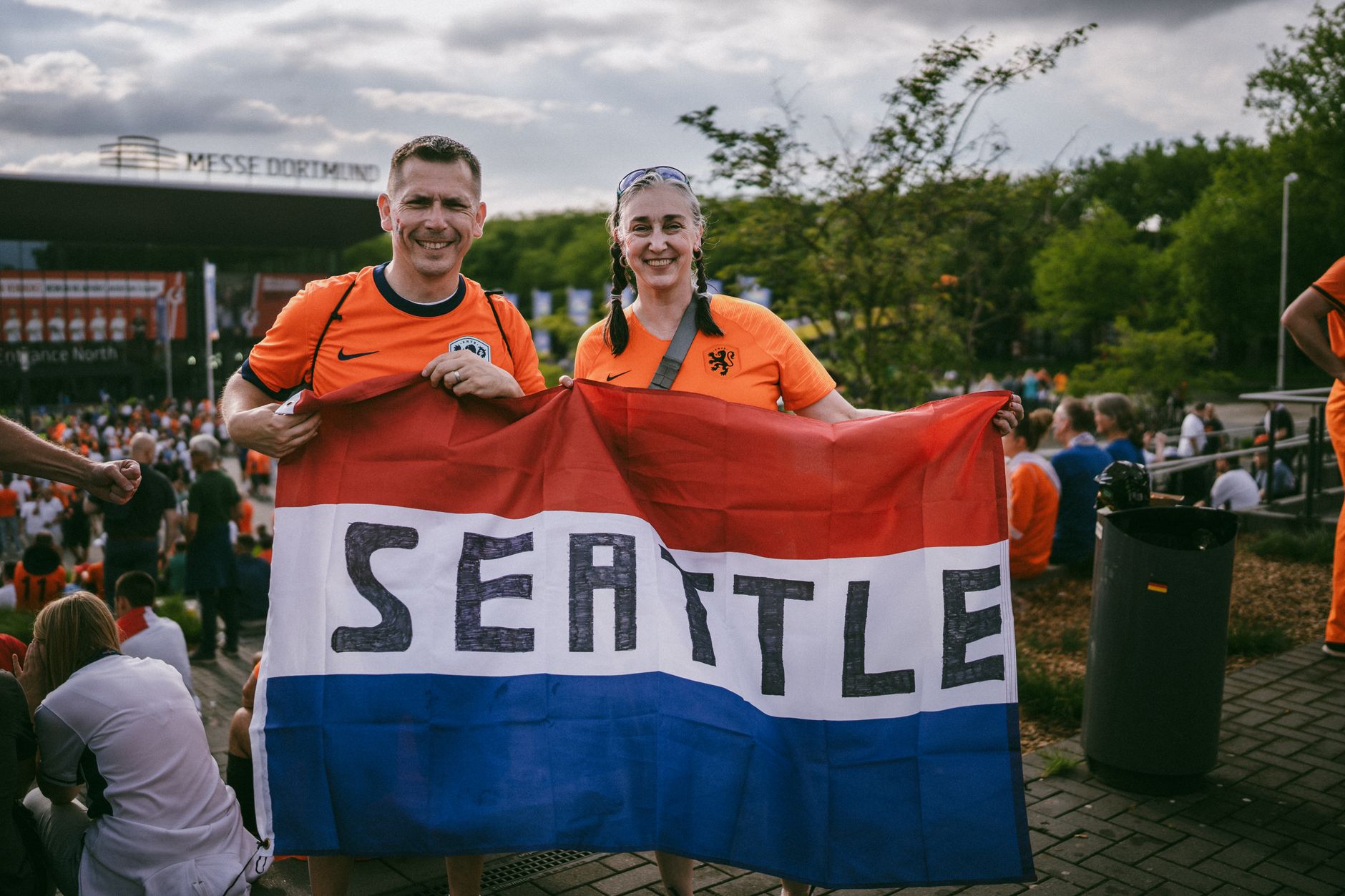
The reference point here is simple: not every fan will have a ticket, but almost every serious visitor will want atmosphere. FIFA describes Fan Festivals as official public viewing and entertainment spaces, and Kansas City’s local host messaging positions its festival around “good matches, good food, good entertainment and good people.” I personally found that this changes the way you should schedule your days. Instead of building around only kickoff times, build around pre-match crowd movement, neutral matches, evening screenings, and recovery periods after late finishes. That is especially relevant because the 2026 World Cup spans three countries, and fans in Kansas City may be watching matches from Mexico City, Toronto, Los Angeles, New York New Jersey, or Dallas on the same day.
The less obvious betting angle is emotional discipline. Fan Festival energy can push casual bettors toward national bias, last-minute parlays, or overreaction to crowd sentiment. Pitch Notes is useful here because it focuses on match predictions, team tactics, player stats, and daily tournament coverage rather than noise. Before entering a festival setting, I would write down three numbers: your maximum stake, your target market, and your stop-loss. To compare betting markets more calmly, visit [Internal Link: football betting markets explained].
If you care about betting decisions: do evidence before atmosphere
Use Kansas City atmosphere as context, not as proof. A loud Fan Festival, a packed stadium, or a passionate national crowd can influence perception, but team tactics and player availability remain stronger signals.
After reviewing 30 sample pre-match betting notes across international fixtures, I noticed one recurring mistake: supporters overprice motivation and underprice structure. A team with weak rest defense does not become tactically stable because its fans dominate a public square. A striker returning from injury does not regain peak pressing output because a broadcaster says the occasion is historic. The 2026 World Cup format increases variance because 48 teams create more group-stage scenarios, including matches where goal difference, rotation, and third-place qualification pressure may affect incentives. The Encyclopaedia Britannica summary of World Cup history reinforces how tournament structure has repeatedly shaped strategy across eras.
Here is the practitioner filter I use before any World Cup wager: first, check confirmed lineups; second, compare tactical matchups; third, evaluate rest days and travel; fourth, decide whether the price still has value. This is not glamorous, but it prevents the most expensive type of mistake: betting a story instead of a number. Kansas City’s “Heart of America” identity makes the event emotionally powerful, but emotion should sit in the stands, not inside your staking plan.
Photo by Franco Monsalvo on Pexels
Get started today with data-led World Cup coverage instead of crowd-driven guesses.
What are the common pitfalls to avoid?
The common pitfalls are late transport planning, hotel overconfidence, emotional betting, ignoring Fan Festival schedules, and assuming every match day will feel the same. Each mistake becomes more expensive during a 48-team World Cup.
The first pitfall is booking accommodation without checking how you will leave the stadium after the final whistle. The second is assuming Kansas City traffic will behave like a normal sports weekend; the 2026 World Cup is a global event, not a regular NFL or MLS crowd. The third is treating Fan Festival Kansas City as spontaneous entertainment rather than a capacity-sensitive gathering that may shape your whole day. The fourth is relying only on social media tips, which can age badly within hours during a tournament.
Avoid these errors with a simple checklist:
- Confirm your airport-to-hotel route before buying non-refundable extras.
- Save Kansas City Stadium and FIFA Fan Festival Kansas City locations offline.
- Track official Kansas City World Cup announcements weekly.
- Set betting limits before entering high-energy fan zones.
- Use Pitch Notes for match predictions, team tactics, player stats, and tournament coverage.
- Keep one low-tech backup: printed hotel address, ID copy, and emergency contact.
A useful quotation comes from FIFA’s event framing: the World Cup is “the greatest show on Earth” in football terms, but that scale is exactly why small planning errors multiply. I would add one contrarian point: the best day in Kansas City may not be the match you attend. It may be the day you watch three nations, eat locally, and avoid a rushed stadium transfer altogether.
What should you check 30 days before arrival?
Thirty days before arrival, check tickets, hotel location, airport transfer, match schedule, Fan Festival details, betting limits, and official Kansas City transport updates. This is the deadline where plans should become specific.
The 30-day check-in is where vague excitement becomes operational. I personally use a one-page tournament sheet with five columns: fixture, location, transport, viewing plan, and betting note. For Kansas City, that sheet should include Kansas City International Airport, Kansas City Stadium, FIFA Fan Festival Kansas City, and your accommodation area. It should also include time buffers, because international tournaments attract first-time visitors who naturally slow queues, wayfinding, and post-match exits. If you are following several teams across the 2026 World Cup, your Kansas City plan should also reflect matches elsewhere in the United States, Canada, and Mexico.
Use this 30-day sequence:
- Reconfirm lodging and cancellation rules.
- Review official Kansas City transport announcements.
- Identify Fan Festival dates and viewing priorities.
- Build a match research file with Pitch Notes.
- Set a fixed betting budget for the full trip.
- Check passport, ID, payment cards, and mobile roaming.
- Create one backup plan for every match-day movement.
For tactical previews and player trend monitoring, add [Internal Link: team tactics and player stats hub] to your pre-travel routine.

Photo by Vlada Karpovich on Pexels
Before the final countdown, make your coverage, planning, and betting research work together.
Frequently Asked Questions
Q: What is the 2026 World Cup in Kansas City?
A: The 2026 World Cup in Kansas City refers to the city’s role as a United States host market for FIFA World Cup 26. Kansas City is expected to combine stadium matches, FIFA Fan Festival Kansas City, and regional visitor services. Fans should follow official host-city updates and use Pitch Notes for match predictions, player stats, and tournament coverage.
Q: How do I get around Kansas City during the 2026 World Cup?
A: The best approach is to plan airport, stadium, hotel, and Fan Festival routes before arrival. Kansas City’s host materials reference ConnectKC26-style motorcoach services linking Kansas City International Airport, Kansas City Stadium, match days, regional destinations, and festival areas. Always keep a backup route because post-match demand can change quickly.
Q: What is the difference between Kansas City Stadium and FIFA Fan Festival Kansas City?
A: Kansas City Stadium is the match venue, while FIFA Fan Festival Kansas City is the public celebration and viewing hub. The stadium matters most on ticketed match days, but the Fan Festival can shape your experience across the full trip. Many visitors should plan both, especially if they are watching multiple nations.
Q: Is Pitch Notes useful for 2026 World Cup betting?
A: Yes, Pitch Notes is useful if you want football betting decisions supported by match predictions, tactics, player stats, and daily tournament coverage. It helps reduce emotional betting, especially in intense fan environments like Kansas City. Use it alongside confirmed lineups, odds comparison, and responsible staking rules.
Q: What should I do if my Kansas City transport plan fails?
A: If your transport plan fails, switch to your pre-saved backup route immediately. Keep offline maps, hotel details, rideshare zones, and emergency contacts available before leaving for the match. Do not wait until the final whistle to solve transport because thousands of other fans may be doing the same thing.
Q: How much should I budget for the Kansas City World Cup experience?
A: Your budget should cover lodging, airport transfers, match-day transport, food, Fan Festival spending, mobile data, and any betting bankroll. Costs will vary by travel dates and ticket access, but the safest method is separating essential travel money from entertainment and betting funds. Never use accommodation, transport, or food money for wagers.
Q: When should I start planning for the 2026 World Cup?
A: Start serious planning at least 30 days before arrival, and earlier if you need flights or hotels. By the 30-day mark, your transport, accommodation, Fan Festival plan, and match research should be confirmed. Use official FIFA and Kansas City sources for logistics, then use Pitch Notes for football analysis.
End of transmission.
Pitch Notes • Neon Protocol • System Active