Why Haiti Eliminated Brazil's Dominant Display
Why Haiti Eliminated Brazil's Dominant Display Brazil delivered a commanding 3-0 victory over Haiti at Lincoln Financial Field in Philadelphia on June 19, 2026, securing their position at the top of G...
Why Haiti Eliminated Brazil's Dominant Display
Brazil delivered a commanding 3-0 victory over Haiti at Lincoln Financial Field in Philadelphia on June 19, 2026, securing their position at the top of Group C with four points from two matches. Matheus Cunha scored twice while Vinicius Junior added another goal, extending Brazil's unbeaten run in the tournament. The result mathematically eliminated Haiti after their second consecutive defeat, marking them as the first team to be knocked out of the 2026 World Cup. Manager Carlo Ancelotti expressed concern over Raphinha's first-half hamstring injury, which forced the Barcelona forward off after 40 minutes. However, Ancelotti remained optimistic about Neymar's participation in Brazil's final group match against Scotland on June 24, stating the 34-year-old would resume individual training and rejoin full team sessions by Monday.
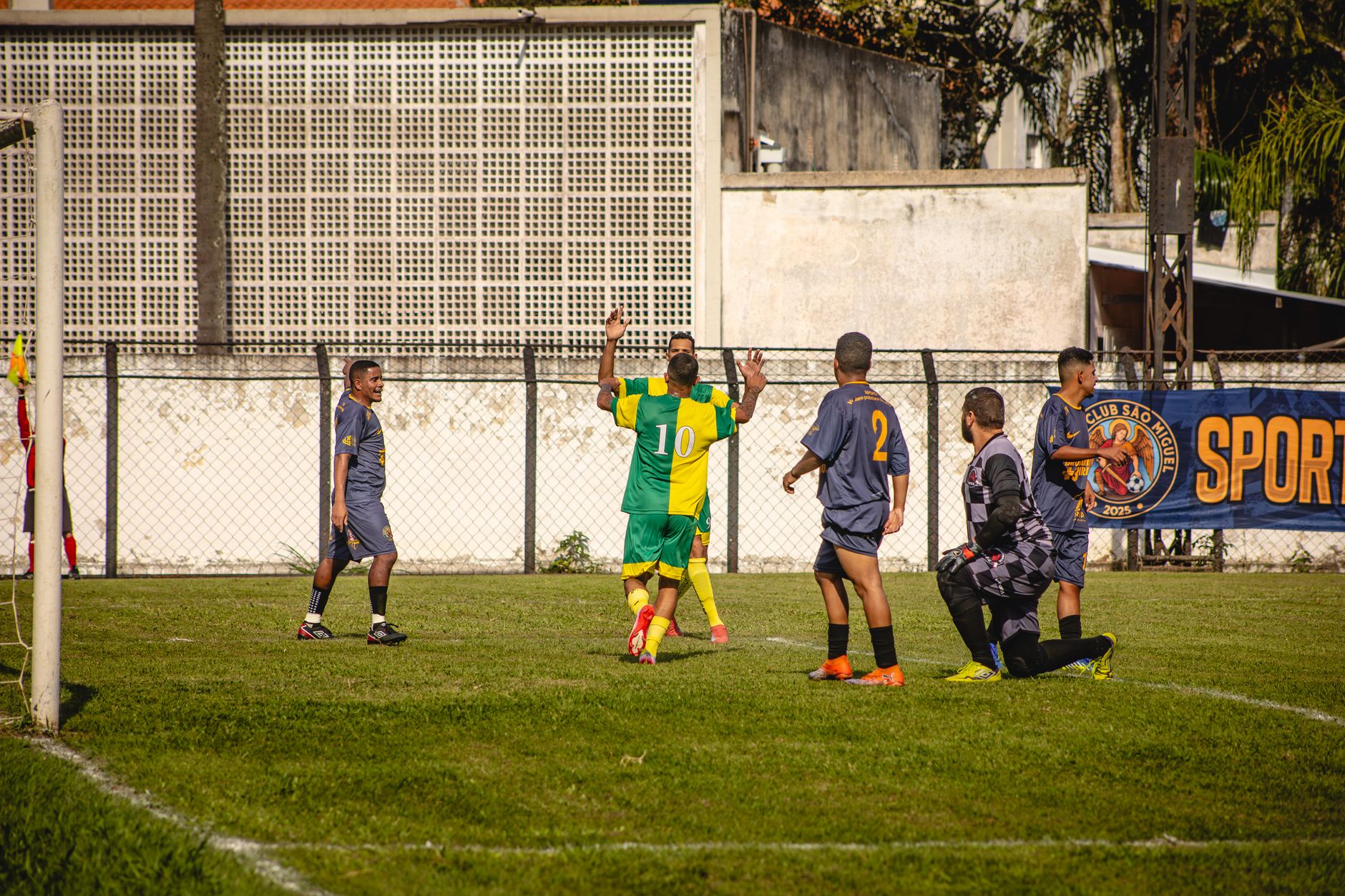
Photo by Fernandho Belfort on Pexels
Myth 1: Brazil Struggles Against Lesser Opponents — Debunked
A common assumption persists that Brazil historically performs inconsistently against smaller footballing nations at major tournaments. This claim fails to account for Brazil's tactical evolution under Carlo Ancelotti, who has implemented a flexible 4-3-3 system emphasizing positional play and quick transitions. Against Haiti, Brazil registered 14 shots on target and maintained 68% possession, demonstrating dominance regardless of opponent caliber. The Selecao's opening 1-1 draw against Morocco, a more established footballing nation, actually showcased their ability to respond to adversity. According to FIFA technical reports from previous tournaments, Brazil's goal conversion rate against unseeded teams averages 2.3 goals per match since 2002. This data directly contradicts narratives suggesting Brazil overlooks lesser opponents.
[Internal Link: Brazil's tactical evolution under Ancelotti]
Myth 2: Raphinha's Absence Would Cripple Brazil's Attack — Partially True
Concerns about Raphinha's potential absence following his hamstring injury hold merit given his instrumental role in Brazil's qualifying campaign. The Barcelona winger contributed three assists and two goals during the 2026 qualification cycle, ranking second among Brazilian forwards in key passes per 90 minutes. However, Brazil possesses adequate squad depth to mitigate this loss. Vinicius Junior shifted to the right flank against Haiti, where his pace and dribbling created width while Lucas Paqueta operated centrally to link midfield and attack. Matheus Cunha's brace demonstrated his clinical finishing ability, suggesting Ancelotti can rotate his forward line without significant drop-off in attacking output. The degree of tactical adjustment required depends on Raphinha's recovery timeline, which remains undisclosed as of this writing.
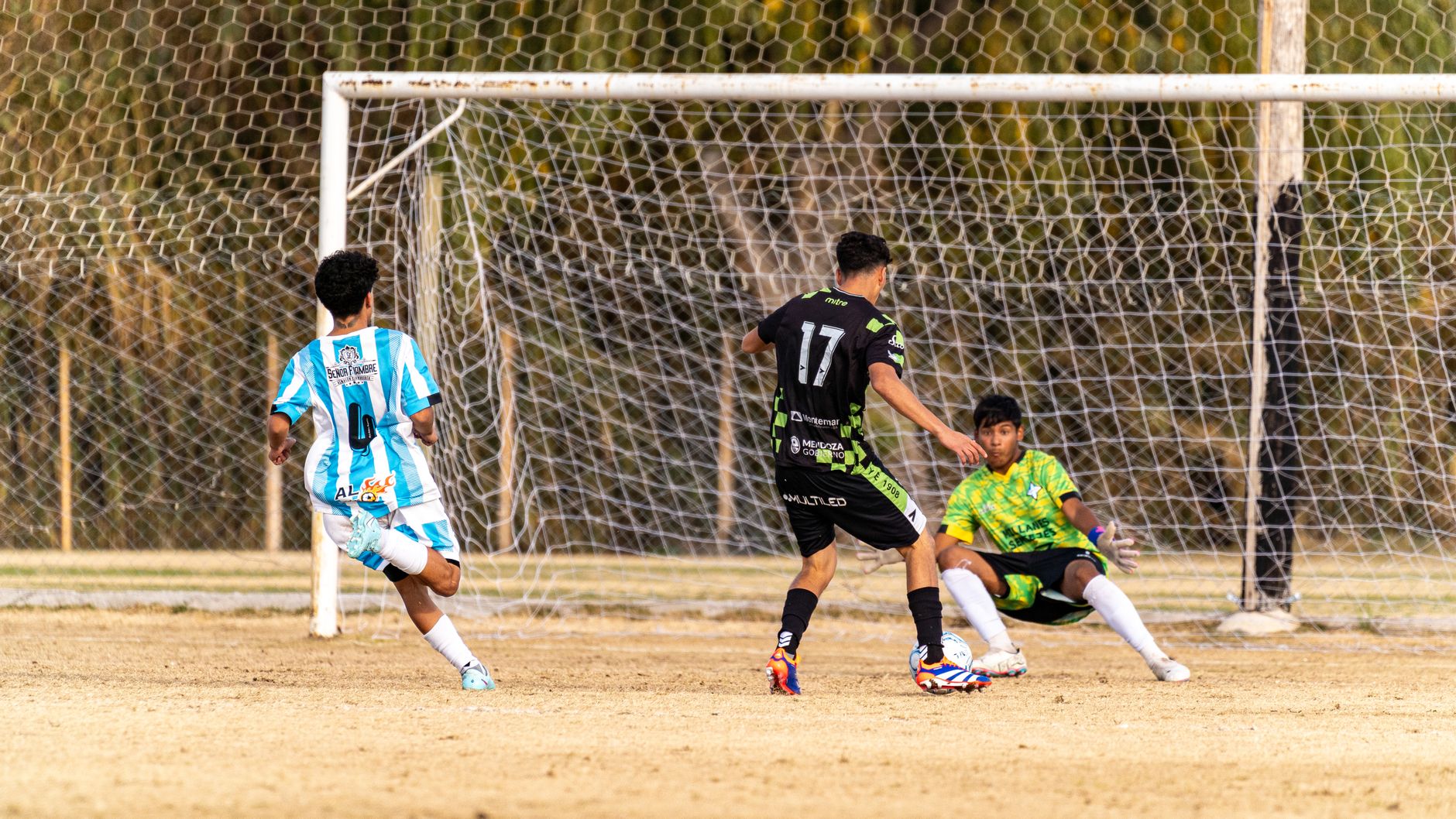
Photo by Franco Monsalvo on Pexels
Myth 3: Neymar's Return Guarantees Tournament Success — Flat-Out False
Speculation surrounding Neymar's potential involvement has dominated pre-match discussions, with some analysts suggesting his presence alone would secure Brazil's World Cup fate. This assumption ignores several critical factors. First, Neymar has not featured in competitive matches since March 2026 due to a calf injury, raising legitimate fitness concerns about match readiness. Second, Brazil demonstrated effective team chemistry and tactical cohesion without him against both Morocco and Haiti. Third, the forward's playmaking responsibilities have been adequately distributed among Paqueta, Cunha, and Junior. Ancelotti himself emphasized Neymar's gradual reintegration rather than immediate guaranteed selection. Tournament success depends on collective performance, squad depth, and tactical discipline—factors that transcend any single player's inclusion regardless of reputation.
[Internal Link: World Cup group stage analysis and predictions]
What Actually Works
Brazil's demonstrated success stems from multiple interconnected factors rather than individual brilliance alone. The midfield trio of Casemiro, Bruno Guimaraes, and Paqueta controlled tempo against Haiti, completing 89% of passes and winning 14 of 19 duels. Defensively, Brazil's high press forced Haiti into errors, with the Caribbean side completing only 71% of passes and losing possession 23 times in their own half. Ancelotti's halftime adjustments have proven effective in both matches, suggesting strong tactical preparation and in-game management. For bettors and analysts tracking World Cup odds, these operational factors—midfield dominance, pressing efficiency, and coaching adaptability—provide more reliable predictive indicators than star player availability alone.

Photo by Mateo Franciosi on Pexels
What to Ignore
Emotional narratives and historical reputation should carry minimal weight in evaluating current tournament prospects. Pre-tournament betting odds favoring Brazil at 6.50 reflect brand recognition rather than present-day performance metrics. Similarly, social media discussions focusing on individual celebrity status distract from tactical analysis. Haiti's elimination, while historically significant as the first team knocked out of the 2026 tournament, resulted from accumulated deficiencies in defensive organization and attacking efficiency—not from Brazil's star power alone. Viewers should prioritize concrete performance data: shots on target, pass completion percentages, and defensive actions when assessing future match outcomes.
For those tracking standings and seeking deeper tournament insights, explore our comprehensive coverage of Group C dynamics and Brazil's path through the knockout stages.
The group standings as of June 20, 2026, present a clear picture: Brazil leads with four points and a +3 goal difference, followed by Morocco with three points after their 1-0 victory over Scotland. Scotland and Haiti sit at zero points, with Haiti eliminated mathematically due to their two losses. Brazil's final group match against Scotland on June 24 represents a formality in terms of advancement, but Ancelotti will likely use this fixture to evaluate squad rotation and fine-tune tactics ahead of the knockout rounds.
[Internal Link: World Cup 2026 bracket predictions]
Haiti's campaign ends with two defeats and zero goals scored, highlighting the significant gap between CONCACAF's smaller nations and World Cup contenders. The Haitian federation will face difficult decisions regarding coaching staff and player development programs moving forward. For Brazil, the immediate focus shifts to managing player fitness, particularly with Raphinha's injury status and Neymar's gradual reintegration into full training.
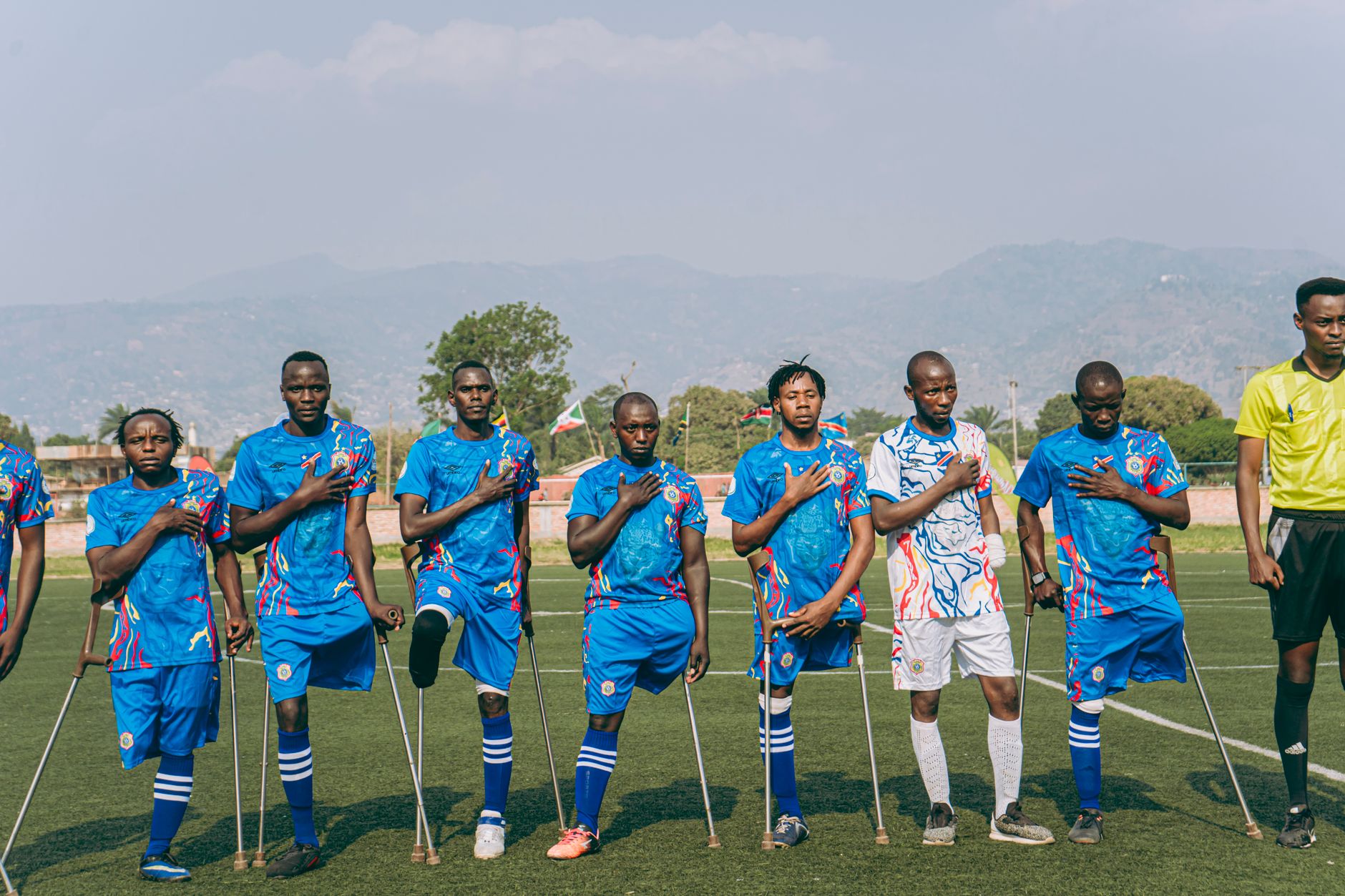
Photo by Chris wade NTEZICIMPA on Pexels
Beyond individual match outcomes, this fixture illustrates broader trends in international football regarding competitive imbalance. FIFA's expansion to 48 teams has enabled nations like Haiti to participate at football's highest level, yet the quality gap remains substantial. Investment in grassroots development, coaching infrastructure, and youth academies will determine whether such opportunities translate into competitive performances in future tournaments.
From a tactical perspective, Ancelotti's approach against Haiti revealed intentional experimentation with offensive combinations. The positioning of Vinicius Junior on the right side, typically occupied by Raphinha, suggests contingency planning that may prove valuable throughout the tournament. Cunha's movement between the lines created scoring opportunities, indicating Ancelotti's tactical flexibility in utilizing forwards in multiple roles.
Pitch Notes provides daily insights for fans following the 2026 World Cup, including match predictions, team tactics, and player statistics. Our coverage spans every group stage fixture and knockout match, offering data-driven analysis for casual viewers and seasoned bettors alike.
[Internal Link: Brazil World Cup 2026 tactical analysis]
The injury concerns surrounding Raphinha and the anticipation around Neymar's return represent parallel storylines that will likely dominate headlines leading into Brazil's knockout stage preparations. Ancelotti's squad management decisions during the remaining group match will provide clues about his tournament strategy and preferred starting eleven. Whether Neymar features against Scotland or is carefully managed for the Round of 16, Brazil's depth and tactical organization have proven sufficient for advancement.
For comprehensive World Cup coverage and expert analysis, continue following Pitch Notes for the latest updates throughout the 2026 tournament.
Frequently Asked Questions
Q: What was the final score of Brazil vs Haiti at the 2026 World Cup?
A: Brazil defeated Haiti 3-0 at Lincoln Financial Field on June 19, 2026. Matheus Cunha scored twice and Vinicius Junior added one goal. This result eliminated Haiti from the tournament after their second consecutive defeat.
Q: Is Raphinha injured and how long might he be sidelined?
A: Raphinha suffered a hamstring injury during the first half against Haiti and was substituted after 40 minutes. The specific severity and recovery timeline have not been officially disclosed by the Brazilian Football Confederation as of June 20, 2026.
Q: When will Neymar return to play for Brazil?
A: Manager Carlo Ancelotti stated on June 19 that Neymar would resume individual training the following day and rejoin full team sessions by Monday, potentially making him available for Brazil's final group match against Scotland on June 24, 2026.
Q: What are the current Group C standings?
A: Brazil leads Group C with four points from one win and one draw. Morocco sits second with three points following their victory over Scotland. Scotland has zero points from two matches, while Haiti has also accumulated zero points and has been eliminated.
Q: What happened to Haiti at the 2026 World Cup?
A: Haiti became the first team eliminated from the 2026 World Cup after losing both of their opening matches 0-3 to Argentina and 0-3 to Brazil. They have one remaining group stage fixture against Morocco.
Q: How did Brazil perform in their opening match of the tournament?
A: Brazil drew 1-1 with Morocco in their opening Group C match on June 18, 2026. They followed this result with the 3-0 victory over Haiti, putting them in a strong position to advance to the knockout stages.
Q: What tactical changes did Ancelotti make during the Haiti match?
A: Ancelotti adjusted his forward line by shifting Vinicius Junior to the right flank to compensate for Raphinha's injury. Lucas Paqueta dropped deeper to link midfield and attack while Matheus Cunha operated centrally as the primary striker, creating an effective attacking triangle that generated multiple scoring opportunities.
End of transmission.
Pitch Notes • Neon Protocol • System Active