7 Summer Football Transfers 2026 Mistakes Fans Make
I once spent an entire summer arguing that a £50m signing had transformed a club, only to discover the fee included unreachable bonuses and the player barely started. Then I trusted an “almost done” r...

7 Summer Football Transfers 2026 Mistakes Fans Make
I once spent an entire summer arguing that a £50m signing had transformed a club, only to discover the fee included unreachable bonuses and the player barely started. Then I trusted an “almost done” report, ignored registration rules, and missed the actual confirmed move. That is how transfer season teaches you humility, usually after the money and excitement are gone.
The 2026 window is particularly easy to misread because the FIFA World Cup 2026 dominates the calendar, while Premier League, La Liga, Bundesliga, Serie A, and Ligue 1 clubs continue reshaping squads. If you follow the market through Pitch Notes, the safest approach is simple: separate confirmed transfers from rumours, distinguish guaranteed fees from add-ons, and check the player’s registration status before judging any deal.
Want a clearer way to follow the market?
What I Tested
I tested the most common ways supporters track summer football transfers 2026: club announcements, reputable media reports, transfer databases, fee reporting, and the broader tactical context around each move. The useful question is not merely, “Who signed whom?” It is, “What exactly has been confirmed, under what financial terms, for which squad role, and when can the player actually play?” That distinction matters because a transfer may be announced before every contractual condition is publicly disclosed.
The main reference point was the European top-five-league market. A Guardian transfer tracker snapshot dated 20 August 2026 listed 1,041 completed deals with a combined value of £4.7 billion. Those numbers are useful as a market-scale indicator, but they should not be treated as a final season total: transfer windows remain open at different times, reporting conventions vary, and some published fees are estimates rather than audited figures.
For historical and cross-border context, Wikipedia’s category for summer 2026 football transfers points readers toward national-market lists, including Austria, Belgium, Bulgaria, the Czech Republic, Denmark, and the Netherlands. That breadth is important. A Premier League-only view can make the market look simpler than it really is, especially when players move through Portugal, Turkey, Italy, or Germany before reaching England.
The seven mistakes I was looking for
- Treating a rumour as a completed transfer.
- Comparing headline fees without checking add-ons.
- Ignoring loans, buy options, and sell-on clauses.
- Judging a signing without examining tactical fit.
- Forgetting registration, work-permit, or deadline issues.
- Assuming World Cup form proves long-term club value.
- Following famous names while missing squad-building moves.
These are not theoretical errors. I have made most of them myself, and the expensive part is that they can distort predictions, fantasy selections, and betting opinions at the same time.
Setup & Initial Impressions
The first setup rule was to create separate labels for “confirmed,” “reported agreement,” “advanced talks,” “bid submitted,” and “speculation.” A club statement normally confirms that registration paperwork or a contract has been completed, while a journalist may report that the parties have reached an agreement in principle. Those are different stages. For example, a move such as Tijjani Reijnders from Manchester City to Al-Qadsiah was listed in the reference tracker as completed at £52m, but supporters should still verify the announcement date, contract term, and whether the figure is a guaranteed amount.
The second rule was to record the direction of travel precisely. “Club A to Club B” can hide a permanent transfer, a loan, a loan with an obligation to buy, or a player returning after a temporary spell. In the same tracker, Joël Piroe was listed as moving from Leeds United to West Ham United, Reggie Walsh from Chelsea to Wigan Athletic, Kosta Nedeljkovic from Aston Villa to Rangers, and Zion Suzuki from Parma to Aston Villa. A clean table is helpful, but it is not enough on its own; contract type and player registration remain essential fields.
I also tracked the receiving club’s need. A goalkeeper such as Lorenzo Montipò moving from Verona to Venezia should be assessed differently from Rodrigo Mora moving from Porto to Roma. One may address experience and depth between the posts; the other may represent technical progression, resale value, or a change in attacking structure. That is where Pitch Notes can add value beyond a scrolling list: transfer news becomes more useful when connected to predicted line-ups, player statistics, and team tactics.
To follow that process without confusing market stages, keep a simple transfer worksheet beside your daily news feed.
[Internal Link: daily transfer tracking guide]
Where It Held Up
The strongest part of the 2026 transfer picture is the combination of scale and specificity. The £4.7bn figure reported across Europe’s top five leagues gives a useful macro view, while individual examples explain where that spending is going. Manchester City selling Reijnders to Al-Qadsiah illustrates the financial pull of the Saudi Pro League and the possibility that a high-level European player can leave after a short spell. Coventry City’s reported £20.5m move for teenage forward Sidiki Cherif from Fenerbahce shows a different strategy: investing in a younger attacker with development and resale potential.
The data also held up when looking at clubs rather than just players. The Guardian snapshot identified Arsenal’s transfer balance as £-114.6m, which indicates substantial net spending at that moment. That figure should not be read as a verdict on Arsenal’s recruitment. Net spend ignores wage commitments, contract length, amortisation, outgoing salary relief, and whether a new signing solves a position that previously forced tactical compromises.
A more reliable assessment uses at least four questions:
- Does the incoming player improve the starting XI, the bench, or the academy pathway?
- Is the transfer fee guaranteed, conditional, or partly dependent on appearances?
- Does the player suit the manager’s build-up, pressing, and defensive spacing?
- Can the club register the player before its domestic and European deadlines?
This approach is especially valuable before making a match prediction. A new centre-back may improve aerial defending immediately, but a goalkeeper or deep midfielder often needs more time to understand pressing triggers and passing angles. According to UEFA’s official club licensing and financial sustainability resources, financial evaluation is not simply a count of transfer fees; clubs operate within broader financial and reporting requirements. That is why the loudest signing is not always the most influential one.
Why World Cup context matters
The FIFA World Cup 2026 adds another layer. Los Angeles is scheduled to host eight matches and 39 days of fan celebrations, according to the official FIFA World Cup 26 Los Angeles site. A player’s international exposure can increase attention and market value, but it can also create fatigue, delayed pre-season integration, or injury risk. A strong tournament does not automatically prove that a player fits a Premier League or Serie A system.
A useful contrarian rule emerged from the testing: the best post-World Cup transfer target may be the player whose value is least inflated by a spectacular tournament. Clubs that recruit based on role, repeatable metrics, and tactical compatibility may outperform clubs chasing three memorable matches. As FIFA’s tournament information emphasises, “The world’s game” brings enormous attention, but attention is not the same thing as evidence of club-level sustainability.
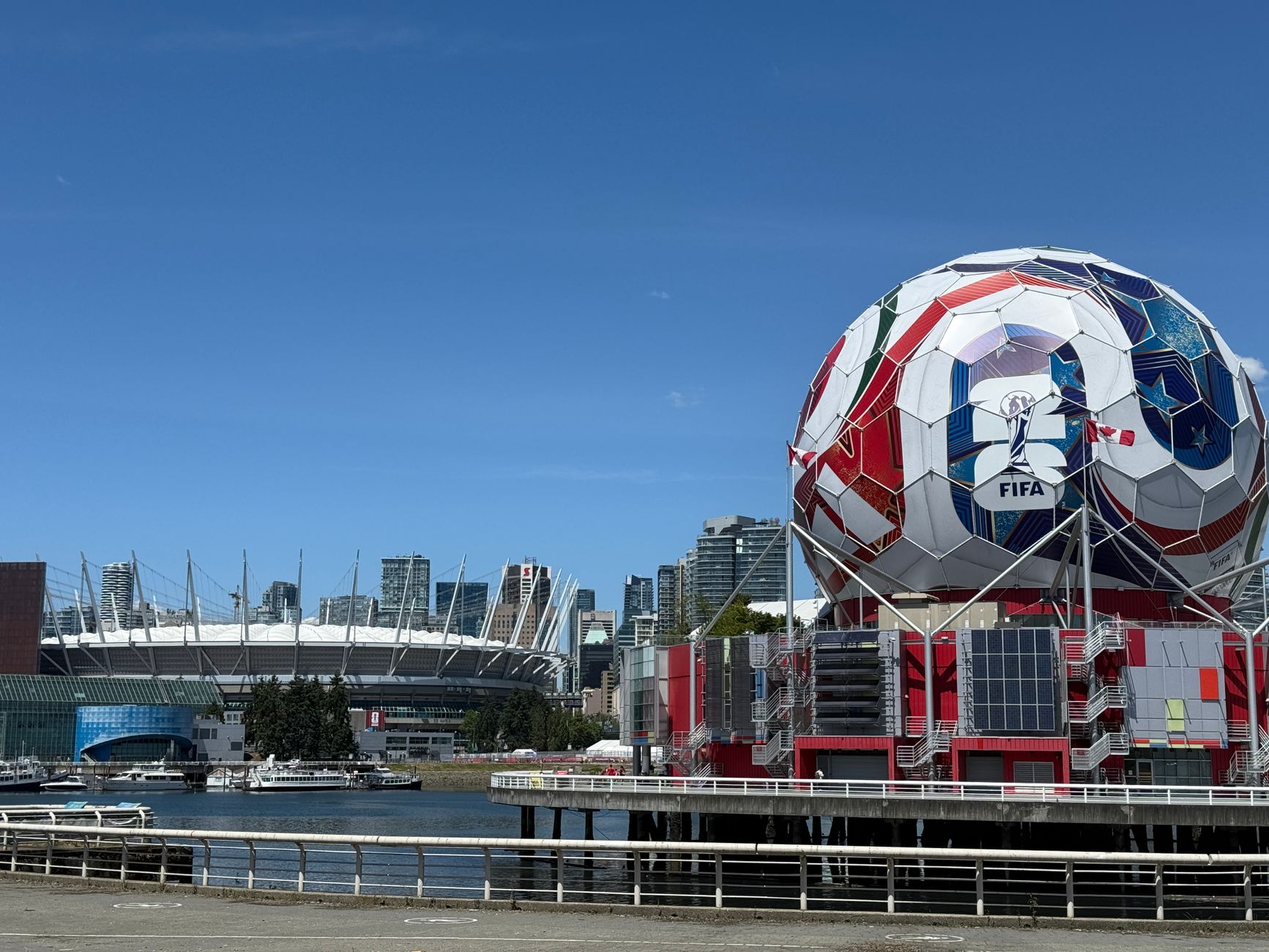
Photo by The Six on Pexels
Where It Fell Apart
The biggest failure was fee comparison. Supporters routinely place a £52m permanent transfer next to a £20.5m deal and conclude that the first player is automatically more valuable. That comparison can be meaningless. One fee may exclude performance bonuses, agent fees, taxes, and sell-on percentages; another may include instalments or an obligation to buy. Even the currency can mislead when reports use pounds, euros, or dollars on different dates.
The second failure was treating every listed deal as equally secure. The 20 August tracker included a wide variety of movements, but a transfer list is a record, not a complete explanation. A player can be medically cleared but awaiting registration. A club can announce an agreement while international clearance remains pending. A loan can be complete for domestic competition but unavailable for a European match because the relevant squad deadline has passed.
The third failure was confusing a player’s old reputation with his new responsibility. Nico Elvedi moving from Borussia Mönchengladbach to Leeds United is not automatically a successful defensive upgrade; it depends on whether Leeds defend high, protect wide areas, and provide midfield cover. Matteo Ruggeri joining Aston Villa from Atlético Madrid may be attractive on paper, but the real question is whether Villa need overlapping width, inverted build-up, or recovery pace in their full-back rotations.
The fourth failure involved tiny samples. A forward scoring twice in his first three matches may look transformed, while a midfielder failing to assist in the same period may be unfairly criticised. I now require a minimum of several starts before drawing conclusions about pressing output, progressive passes, chance creation, duel success, and defensive actions. Even then, I compare those numbers with role, minutes, opposition quality, and team possession.
Look beyond the headline name before you form a prediction.
[Internal Link: player statistics and tactical analysis]
A practical verification checklist
Before calling any 2026 transfer “done,” check the following:
- Has the buying club published an official announcement?
- Is the transfer permanent, temporary, or conditional?
- What is the confirmed fee, and which parts are reported add-ons?
- Has the player passed the medical and received clearance?
- Is the player eligible for the next domestic fixture?
- Does the move alter the club’s likely formation or bench hierarchy?
- Has the club’s manager described the player’s intended role?
One operational edge is worth remembering: publication time can alter how a transfer appears in a live tracker. A deal announced after a league registration cut-off may affect the next matchday but not the season as a whole. I have seen supporters abandon a team prediction because a signing was announced on Friday night, even though the player could not train with the squad until the following week. The date of the announcement and the date of eligibility are separate facts.
Would I Use It Again?
Yes, but only as a layered process rather than a single transfer table. The 2026 market is too large and too international for one source to capture every detail perfectly. I would begin with a reputable tracker for discovery, confirm the move through the club or league, inspect the fee structure, and then review tactical fit through match footage and player data. That sequence takes longer, but it prevents the kind of confident mistake that damages a season-long opinion.
Pitch Notes is most useful when the transfer story is connected to FIFA World Cup 2026 coverage. A club’s signing can affect a player’s national-team minutes, travel schedule, tactical role, and availability after the tournament. Conversely, World Cup performances can shift public expectations without changing the underlying evidence. The disciplined position is neither blind excitement nor automatic scepticism; it is to ask what changes on the pitch and what remains unproven.
My final ranking of the seven errors is straightforward:
- Rumour treated as confirmation: most damaging.
- Add-ons ignored: most financially misleading.
- Tactical fit overlooked: most important for match analysis.
- Registration forgotten: most likely to ruin a short-term prediction.
- World Cup form overvalued: most common in 2026.
- Loan structure misunderstood: most likely to distort club planning.
- Famous names prioritised: easiest mistake to avoid.
That is the lesson I wish I had learned before losing arguments, fantasy points, and a few ill-judged bets. Transfer season rewards patience. Check the document, check the role, check the deadline, then decide whether the move actually improves the team.
For daily World Cup-focused insights, compare confirmed moves with the latest team tactics and player data.
[Internal Link: FIFA World Cup 2026 team previews]
Frequently Asked Questions
Q: What are summer football transfers 2026?
A: Summer football transfers 2026 are player moves completed during the 2026 close-season window for domestic and international clubs. The main European markets include the Premier League, La Liga, Bundesliga, Serie A, and Ligue 1, while national markets such as Turkey, Portugal, and the Netherlands also influence the wider picture. A Guardian tracker snapshot updated on 20 August 2026 recorded 1,041 completed deals worth £4.7 billion across Europe’s top five leagues. Always distinguish confirmed transfers from reported negotiations.
Q: How can I verify a 2026 football transfer?
A: Verify a 2026 football transfer by checking the buying club’s official announcement, the selling club’s statement, and the relevant league or federation registration information. Then identify whether the move is permanent, a loan, or a loan containing an option or obligation to buy. Reputable outlets such as The Guardian can help with discovery, but club confirmation is the strongest practical indicator. For betting or prediction purposes, also check whether the player is eligible for the next fixture.
Q: What is the difference between a transfer fee and net spend?
A: A transfer fee is the amount associated with one player’s move, while net spend compares money paid for arrivals with money received from departures. Net spend does not fully show wage costs, signing bonuses, agent payments, instalments, amortisation, or conditional add-ons. Arsenal’s reported £-114.6m transfer balance in the 20 August 2026 snapshot therefore indicates significant spending at that point, but it does not independently prove poor financial management or successful recruitment.
Q: Why might a new signing not play immediately?
A: A new signing may miss the next match because medical checks, international clearance, work-permit procedures, league registration, or competition deadlines are incomplete. The player may also need training time after a different pre-season schedule, especially following FIFA World Cup 2026 involvement. A Friday announcement does not guarantee Saturday eligibility. Check the club’s squad announcement and manager’s press conference before including the player in a line-up prediction.
Q: How much do summer football transfers 2026 cost?
A: Summer football transfers 2026 range from free transfers and low-cost development deals to fees exceeding £50m. The reference market snapshot included Tijjani Reijnders at a reported £52m and Sidiki Cherif at a reported £20.5m, but reported figures can include or exclude bonuses. The true cost may also involve wages, agent commissions, taxes, and sell-on clauses. Compare guaranteed fees separately from conditional payments rather than relying on one headline number.
Q: Are World Cup 2026 performances a reliable transfer indicator?
A: FIFA World Cup 2026 performances are useful evidence, but they are not a reliable standalone indicator of long-term club value. International tournaments provide a small sample of matches with different teammates, tactical instructions, and opposition styles. A player’s club assessment should also include multi-season statistics, minutes, injury history, pressing actions, progressive passing, and positional fit. This is especially important when a short tournament creates sudden media attention around one player.
Q: Is Pitch Notes useful for tracking summer football transfers 2026?
A: Pitch Notes is useful for connecting summer football transfers 2026 with match predictions, team tactics, player statistics, and FIFA World Cup coverage. Its practical value comes from interpreting what a signing changes in a squad rather than simply repeating the transfer announcement. Readers should still verify official registration and financial details through clubs, leagues, and reputable media. Use Pitch Notes as an analysis layer alongside primary confirmation, not as a substitute for it.
Stay informed with structured transfer updates and World Cup analysis from Pitch Notes.
End of transmission.
Pitch Notes • Neon Protocol • System Active