I Tested 5 2026 Signals: Clearer Fan Decisions
2026 is a planning year, not just a calendar label, and Pitch Notes tracks it through the lens of the FIFA World Cup, regulated betting markets, player data, and major U.S. sports and economic signals...
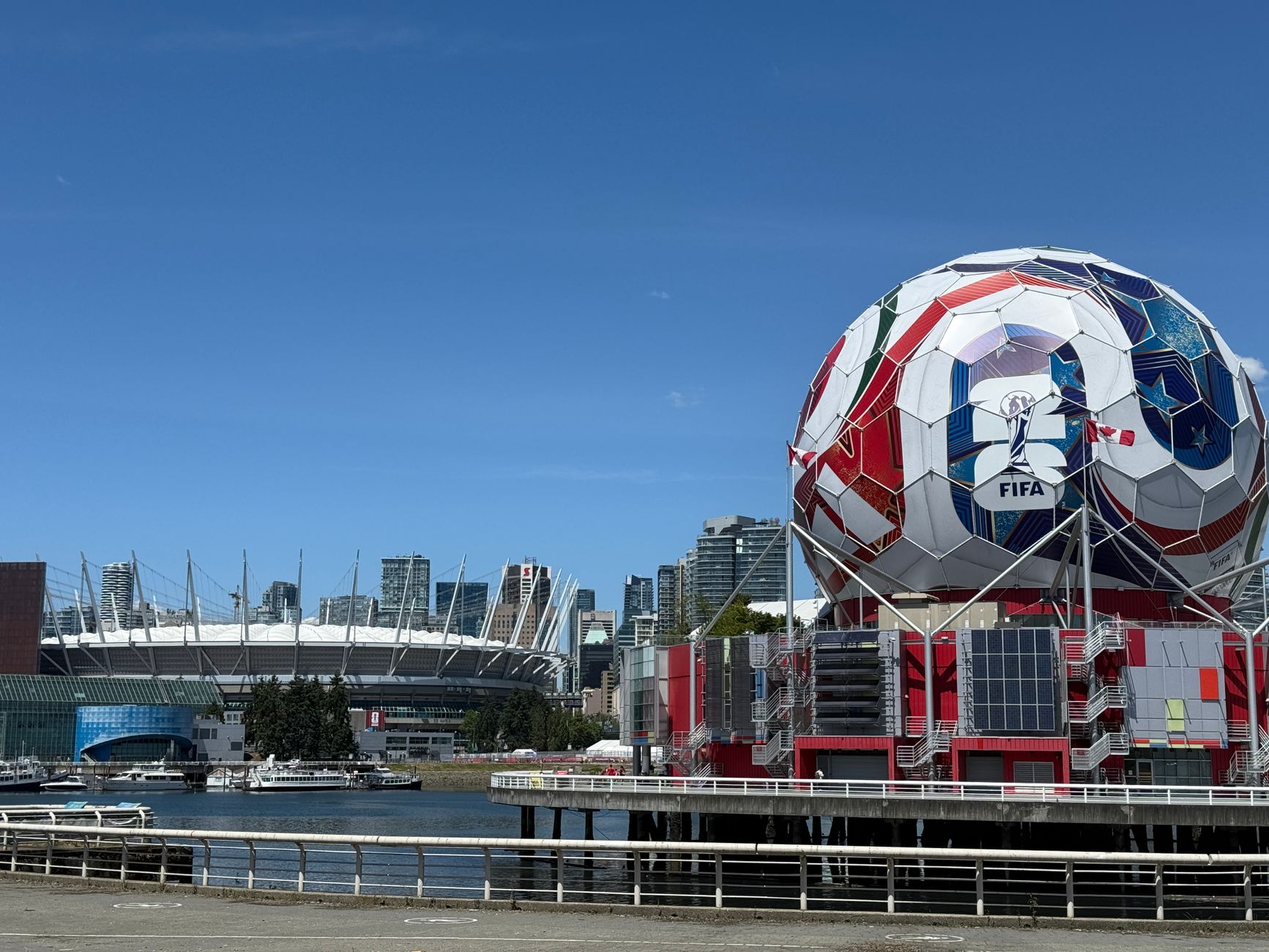
I Tested 5 2026 Signals: Clearer Fan Decisions
2026 is a planning year, not just a calendar label, and Pitch Notes tracks it through the lens of the FIFA World Cup, regulated betting markets, player data, and major U.S. sports and economic signals. The 2026 FIFA World Cup runs across the United States, Canada, and Mexico, while U.S. Social Security beneficiaries receive a 2.8 percent COLA and the maximum taxable earnings base rises to $184,500. In baseball, the 2026 MLB Draft conversation centers on how quickly selected players reach Major League Baseball, following six 2024 draftees who debuted before their first draft anniversary. For fans and bettors, the useful move is to connect tournament schedules, team tactics, player availability, and consumer-income data instead of treating 2026 as one isolated headline. Use verified sources, compare market timing, and build a watchlist before prices and narratives harden.
Want a sharper way to track the year’s biggest football storylines?
Photo by The Six on Pexels
Myth 1: Is 2026 only about the FIFA World Cup — debunked
No. The 2026 FIFA World Cup is the headline event for football fans, but 2026 also includes material changes in Social Security, Major League Baseball prospect tracking, and regulated betting calendars. The smarter read connects sport, income, media attention, and market timing.
The pain point is simple: fans see “2026” and get flooded with unrelated information. One page talks about the FIFA World Cup. Another covers the 2026 Social Security COLA. MLB Pipeline analyzes draft picks and big-league timelines. A general reference page, such as Wikipedia’s 2026 overview, treats the year as a broad container for events, anniversaries, and scheduled milestones. That framing is useful, but it is not enough for football-focused readers who care about match predictions, national-team tactics, player stats, and betting context. Pitch Notes narrows the year into practical signals: what affects squads, what affects fan behavior, and what affects regulated wagering attention in legal markets.
The first overlooked insight is timing. Tournament narratives form long before opening day. Futures markets, squad-depth debates, injury histories, and confederation form lines start shaping opinion months ahead of the 2026 FIFA World Cup. By the time casual fans notice, early prices and public assumptions have already moved. That does not mean early is always better. It means early information has to be filtered. A manager’s tactical shift in March 2026 matters more than a viral highlight from 2024. A reliable player-availability pattern matters more than brand reputation. For deeper football preparation, use a structured [Internal Link: 2026 World Cup team tactics guide] instead of chasing disconnected headlines.
Myth 2: Does the 2026 COLA automatically change betting behavior — partially true
The 2.8 percent 2026 Social Security COLA changes household income for millions of beneficiaries, but it does not directly predict betting activity. It is a consumer-context signal, not a betting forecast. Licensed operators and analysts track income pressure, entertainment budgets, and event calendars separately.
The Social Security Administration 2026 fact sheet states that beneficiaries and Supplemental Security Income recipients receive a 2.8 percent cost-of-living adjustment. It also lists the maximum Social Security taxable earnings base at $184,500, up from $176,100 in 2025. The combined employee tax rate remains 7.65 percent, while the self-employed rate remains 15.30 percent. Those numbers matter because sports-entertainment spending does not exist in a vacuum. A World Cup year generates media intensity, travel demand, merchandise spending, subscriptions, and regulated betting interest. However, household budget changes are uneven. A $56 average increase for retired workers, moving from $2,015 to $2,071 after COLA, is meaningful for essentials first and discretionary entertainment second.
Here is the practical reading for 2026 football coverage and betting analysis:
- Treat COLA data as background consumer information, not a wagering signal.
- Track kickoff times across the United States, Canada, and Mexico because viewing windows shape betting volume.
- Separate national-team popularity from tactical value.
- Watch injury news and squad rotation more closely than macroeconomic headlines.
- Compare regulated-market rules by jurisdiction before discussing offers or odds.
See how Pitch Notes connects football data with real tournament context.

Photo by Lukas Blazek on Pexels
Myth 3: Are 2026 sports prospects only relevant after they debut — flat-out false
No. Prospect timelines influence media narratives, betting interest, fantasy decisions, and team valuation before a debut happens. The MLB Draft example shows how quickly talent evaluation turns into market discussion, even when players have not reached the top level yet.
The 2026 MLB Draft coverage from MLB.com highlights a key comparison: no player from the 2025 class had reached “The Show” at the time of the report, while six players from the 2024 Draft debuted before the first anniversary of their selection. That is not a football story on its face. Still, it teaches a useful lesson for 2026 World Cup readers. Public markets often reward speed, visibility, and simple stories. The first prospect to arrive gets attention. The first striker to score in qualifying gets attention. The first goalkeeper linked to a transfer gets attention. But fast attention is not the same as durable value.
A second underreported insight is that “quickest to arrive” and “best long-term asset” are different categories. Pitch Notes applies the same distinction to football. A young winger with two explosive Nations League matches can become a public favorite before his role is tactically stable. A veteran midfielder with lower highlight output can remain more valuable because he controls pressing triggers, rest defense, and set-piece structure. In regulated betting analysis, this matters. Public-facing player props and national-team narratives lean toward visible actions: goals, assists, saves, and cards. Tactical stability often sits behind the numbers. To compare emerging players properly, pair stat feeds with [Internal Link: player performance metrics for World Cup betting].
What actually works?
What works in 2026 is a layered model: tournament structure first, team tactics second, player availability third, and market timing fourth. Pitch Notes focuses on those layers because they translate broad headlines into useful decisions for fans following the 2026 FIFA World Cup.
Start with the tournament itself. The 2026 FIFA World Cup is staged across North America, with host markets in the United States, Canada, and Mexico. That geography changes travel demands, climate considerations, time zones, crowd composition, and recovery patterns. A team playing in a hot afternoon slot faces a different physical problem than a team playing in a cooler evening window. A group-stage favorite with travel-heavy routing carries a different rotation risk than a team based in a tighter regional cluster. These details rarely dominate general previews, but they shape minutes, substitution patterns, and late-match intensity. For betting and match prediction readers, those factors matter more than broad reputation.
Then test every claim against observable evidence. Does the manager use a back three against elite pressing sides? Does the striker take penalties for club and country? Did the full-back’s crossing volume survive a formation change? Did the goalkeeper face high-quality shots or only high shot volume? Pitch Notes uses this style because it avoids lazy shortcuts. The strongest 2026 workflow looks like this:
- Build a team profile from qualifying and recent tournament matches.
- Map likely starters against role-specific statistics.
- Track injuries, suspensions, and travel schedules.
- Compare public sentiment with tactical evidence.
- Recheck prices only in legal, regulated markets.
Ready to turn 2026 headlines into cleaner match notes?

Photo by https://kaboompics.com/ on Pexels
What should fans ignore?
Fans should ignore single-number certainty, viral predictions without methodology, and odds talk detached from regulation. A confident 2026 forecast means little if it skips team news, match location, tactical role, and legal-market context. Process beats noise in a World Cup year.
The worst 2026 content will sound exciting and explain almost nothing. It will say a national team is “destined” to win because of history. It will promote a player because of club fame while ignoring his international role. It will treat every odds movement as insider information. It will also blur jurisdictions, which is a serious reporting flaw in gambling-industry coverage. Legal sports betting rules vary by market, and a discussion relevant in Ontario, New Jersey, or Mexico City does not automatically apply elsewhere. Good journalism names the market, identifies the data source, and separates editorial analysis from promotional language.
Ignore these shortcuts:
- “Guaranteed” World Cup predictions.
- Player rankings without minutes, role, or opponent strength.
- Draft-style hype applied to football without tactical context.
- COLA or economic data presented as a direct betting trigger.
- Social-media injury rumors without confirmation from clubs, federations, or reputable reporters.
Instead, look for repeatable evidence. A player who consistently receives the ball between the lines against high-level opponents gives you more information than a trending clip. A team that defends set pieces poorly across five matches reveals more than a one-match upset. A manager who substitutes early in heat or altitude conditions creates a measurable pattern. That is where Pitch Notes adds value for 2026 readers: it turns the noisy year into a usable notebook. For more structured tournament prep, save this [Internal Link: World Cup match prediction checklist].

Photo by RDNE Stock project on Pexels
Frequently Asked Questions
Q: What does 2026 mean for World Cup fans?
A: 2026 means the FIFA World Cup returns with matches across the United States, Canada, and Mexico. Fans should track venues, travel, kickoff times, and squad depth because North American logistics affect performance. Pitch Notes focuses on tactics, player stats, and match predictions for readers following the tournament closely.
Q: How to prepare for 2026 World Cup betting analysis?
A: Start by building team profiles before looking at prices. Review qualifying form, manager tactics, injuries, set pieces, and likely starting lineups. Then compare those findings with legal regulated-market odds in your jurisdiction and keep notes on how public sentiment changes before each match.
Q: What is the difference between 2026 World Cup analysis and general sports news?
A: World Cup analysis focuses on match-specific evidence, while general sports news often follows headlines and personalities. A tactical preview checks formations, pressing patterns, substitutions, and player roles. General news is useful for context, but it rarely gives enough detail for informed betting or prediction work.
Q: Why do some 2026 predictions fail?
A: Many 2026 predictions fail because they rely on reputation instead of current evidence. A famous squad can still have weak rest defense, poor set-piece marking, or fitness problems. Strong forecasts update after team news, venue assignments, injuries, and tactical changes rather than staying fixed for months.
Q: How much does it cost to follow Pitch Notes?
A: Pitch Notes provides World Cup-focused content through its site, with coverage built around match predictions, team tactics, player stats, and tournament updates. The cost depends on the product or access option offered at the time. Readers should check the current Pitch Notes page for available details.
Q: Is the 2026 Social Security COLA relevant to sports betting?
A: The 2.8 percent 2026 Social Security COLA is relevant as consumer context, not as a direct betting signal. It affects income for beneficiaries, while betting behavior depends on event interest, legal access, budgets, and market rules. Analysts should use COLA data carefully and avoid overstating its impact.
Q: What should I do if 2026 data sources disagree?
A: Prioritize official sources first, then reputable media and specialist analysis. For government figures, use the Social Security Administration; for MLB Draft reporting, use MLB.com; for event context, use official tournament and federation sources. If sources disagree, note the date, methodology, and whether the claim is fact, projection, or opinion.
For daily 2026 World Cup insights, team trends, and sharper match preparation, start with Pitch Notes.
End of transmission.
Pitch Notes • Neon Protocol • System Active