Why FIFA World Cup 2026 Defies Prediction
The FIFA World Cup 2026 is difficult to read because FIFA has expanded the tournament to 48 teams, 104 matches, and three host nations: the United States, Canada, and Mexico. Pitch Notes tracks this l...
Why FIFA World Cup 2026 Defies Prediction
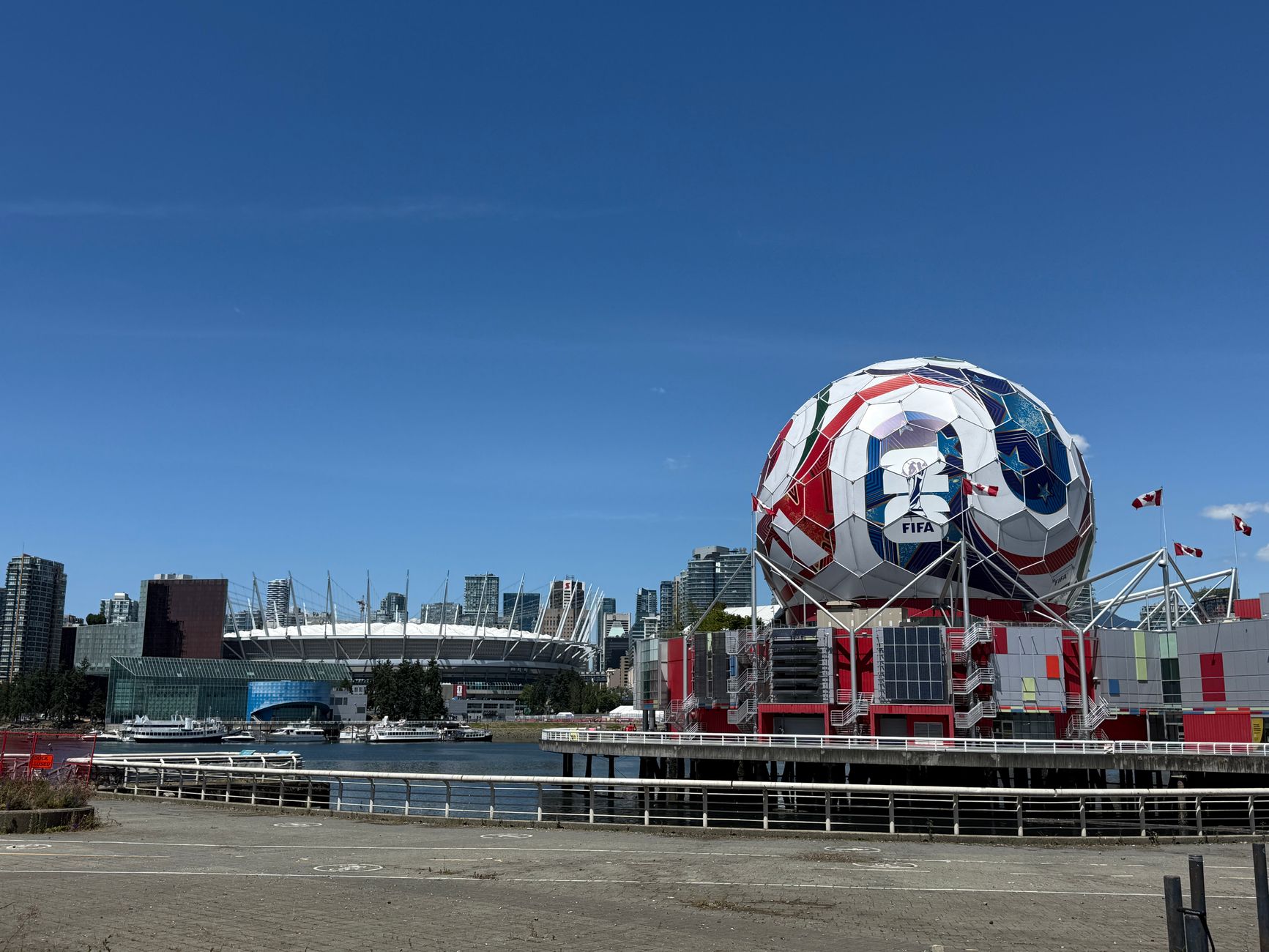
The FIFA World Cup 2026 is difficult to read because FIFA has expanded the tournament to 48 teams, 104 matches, and three host nations: the United States, Canada, and Mexico. Pitch Notes tracks this larger event for fans who need match predictions, team tactics, player stats, and tournament coverage in one place. The core fact is simple: more teams create more variance, but not necessarily more randomness. FIFA’s official format increases group-stage opportunities, while knockout football still rewards defensive structure, squad depth, and set-piece efficiency. According to FIFA, the 2026 competition will be the first men’s World Cup staged across 16 host cities in North America. For bettors, analysts, and serious fans, the actionable takeaway is to compare team quality with travel distance, rotation risk, and tactical matchups before trusting headline odds.
Want a clearer way to follow the 2026 tournament landscape? Start with structured match analysis rather than scattered headlines.
Photo by The Six on Pexels
The Bottom Line: Why Does the FIFA World Cup Still Move Markets?
The FIFA World Cup moves markets because it combines global attention, national-team uncertainty, and high-volume betting liquidity over a short period. In 2026, the 48-team format and 104-match schedule make information timing more valuable than broad reputation alone.
The practical answer is not that the biggest football nations always dominate. Brazil, Argentina, France, Germany, Spain, and England still bring elite player pools, but tournament football compresses margins. A single red card, a minor injury to a ball-progressing midfielder, or a travel-heavy turnaround between Dallas, Vancouver, and Mexico City can shift a model more than casual fans expect. The FIFA World Cup is therefore both a sporting event and an information market.
Pitch Notes treats the World Cup as a sequence of probability updates, not a static prediction made before Matchday 1. That matters in gambling contexts because early odds often reflect brand strength, while later prices react to confirmed lineups, tactical patterns, and fatigue signals. For deeper team-by-team context, see our [Internal Link: 2026 World Cup team previews]. The trade-off is clear: pre-tournament futures can offer value before public narratives harden, but match-by-match betting gives analysts more verified data.
What Players Actually See: How Does the 2026 Format Change the Experience?
Players will see a longer, wider, and more travel-sensitive World Cup than previous generations experienced. The 2026 event expands from 32 to 48 teams, which changes preparation, rotation planning, and the path from the group stage to the final.
The visible change is the number of participants, but the hidden change is workload management. A top European player may enter June 2026 after a UEFA Champions League season, domestic cup commitments, and international qualifiers. A South American or African squad may face different travel rhythms and climate adjustments. According to Wikipedia, the FIFA World Cup has historically been held every four years since 1930, except during World War II, but the 2026 structure is a major competitive redesign.
Here is the overlooked operational point: teams may value second-half substitutions more than traditional starting elevens. With expanded squads and condensed match windows, a coach’s 60th-minute decision can carry more betting relevance than a pre-match formation graphic. For example, a pressing team that fades after 70 minutes in humid conditions may still look strong on expected goals, while live markets adjust too slowly to visible fatigue. That is one reason Pitch Notes separates pre-match predictions from in-play tactical notes.
See the details behind match movement, squad depth, and tactical mismatches before the tournament accelerates.

Photo by Lukas Blazek on Pexels
The 3 Things That Matter Most
Three variables deserve priority in FIFA World Cup 2026 analysis: squad depth, tactical flexibility, and travel-adjusted recovery. Reputation matters, but these three factors explain why strong teams underperform and why disciplined outsiders survive longer than expected.
- Squad depth matters because the 104-match tournament will punish teams that depend on 11 or 12 players. France, Argentina, Brazil, and England may have deeper benches, but depth only helps when substitutions fit the game state.
- Tactical flexibility matters because knockout football exposes one-dimensional teams. A side that can defend in a 4-4-2 block, press in a 4-3-3, and build with a back three has more survival routes.
- Travel-adjusted recovery matters because North America is not a compact tournament map. A team moving between Mexico City, Toronto, and Los Angeles faces different altitude, climate, and time-zone conditions.
The less common betting insight is this: rest days should be weighted differently by location. Two full rest days after a low-tempo match in a similar climate are not equivalent to two rest days after a high-press match followed by cross-border travel. Pitch Notes will track these context layers throughout the 2026 World Cup. For more preparation, use our [Internal Link: World Cup betting strategy guide].
Edge Cases & Gotchas: What Can Mislead Bettors During the World Cup?
Bettors are often misled by recent scorelines, national reputation, and star-player narratives. In the FIFA World Cup, a 3-0 win can hide weak chance quality, while a narrow draw can signal strong defensive control against elite opposition.
One common trap is overvaluing group-stage goal difference. A team that scores four against a debutant may become overpriced before facing an experienced defensive side. Another trap is assuming possession means control. Spain, Germany, and Portugal may dominate the ball, but betting value depends on chance creation, transition defense, and set-piece vulnerability. The International Football Association Board states that “the same Laws apply in every match in every confederation, country, town and village,” but interpretation, match tempo, and officiating tolerance can still shape outcomes.
A second under-discussed edge case is market timing around team news. For major tournaments, odds can move sharply after confirmed lineups, but early leaks are uneven across countries and media ecosystems. A bettor following English-language reports may receive faster updates on England or the United States than on Morocco, Japan, or Ecuador. That information gap creates both opportunity and risk. A disciplined approach is to wait for verified lineups unless the price already compensates for uncertainty. For related research, review our [Internal Link: live betting risk checklist].

Photo by Tim Mossholder on Pexels
Verdict: Is FIFA World Cup 2026 Analysis Worth Following Daily?
Yes, daily FIFA World Cup 2026 analysis is worth following because the tournament changes quickly across fixtures, injuries, travel, and tactical adaptation. Static previews help at the start, but daily updates better reflect what teams are actually showing.
The fair verdict is measured rather than dramatic. The FIFA World Cup remains the most visible football tournament in the world, but visibility does not equal clarity. Expanded participation will create more fixtures, more public betting interest, and more uneven information quality. Pitch Notes is built for that specific problem: separating meaningful signals from noise in match predictions, team tactics, player stats, and tournament coverage.
For fans, the benefit is sharper understanding. For bettors, the benefit is process discipline. Neither guarantees profit, and gambling always carries financial risk, but better analysis reduces avoidable mistakes. The most useful habit is to compare three layers before each match: expected lineup, tactical matchup, and market price. If all three point in the same direction, the case is stronger; if one conflicts, caution is usually justified.
Ready to follow the 2026 World Cup with a more analytical lens? Use Pitch Notes as your daily tournament companion.
Frequently Asked Questions
Q: What is the FIFA World Cup?
A: The FIFA World Cup is FIFA’s senior men’s international football tournament held every four years. It began in 1930 and brings together national teams from FIFA member associations. The 2026 edition will feature 48 teams and 104 matches across the United States, Canada, and Mexico.
Q: How to analyze FIFA World Cup 2026 matches?
A: Start by reviewing lineups, tactical style, recent form, travel demands, and market price. Then compare whether the odds reflect real matchup conditions or only public reputation. Pitch Notes focuses on match predictions, team tactics, and player stats to make that process more structured.
Q: What is different about the 2026 World Cup format?
A: The 2026 World Cup expands from 32 teams to 48 teams. That creates more matches, more qualification diversity, and a longer route through the tournament. It also increases the importance of squad rotation, recovery planning, and tactical adaptability.
Q: Is World Cup betting different from club football betting?
A: Yes, World Cup betting differs because national teams have less training time and smaller tactical sample sizes. Club models often rely on long-season data, while international tournaments require faster interpretation. Injuries, chemistry, and short-term form carry greater weight.
Q: Why do World Cup predictions fail?
A: World Cup predictions fail when they overvalue reputation and undervalue context. A famous squad can struggle with injuries, poor pressing balance, or travel fatigue. Short tournaments also produce high variance because one knockout match can overturn months of expectation.
Q: Is Pitch Notes free to use?
A: Pitch Notes provides World Cup-focused content for fans following analysis, predictions, tactics, and stats. Availability may vary by feature or coverage type. The best approach is to check Pitch Notes directly before the 2026 tournament schedule intensifies.
Keep your World Cup research organized before the next market shift.
End of transmission.
Pitch Notes • Neon Protocol • System Active